

The Obstacles Black Filmmakers Face Getting Greenlit
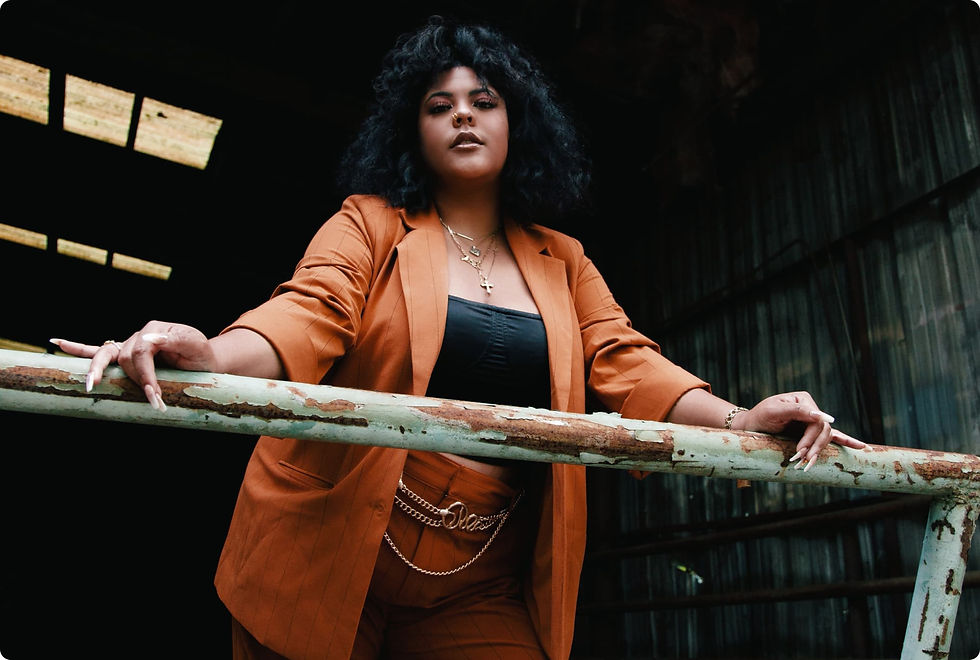
Nina Lee has wrapped filming on her forthcoming film That’s Her, starring Coco Jones, Kountry Wayne, and Emmy Raver Lampman. The project is now in its marketing and pitching phase, a romantic story rooted in connection, identity, and the emotional push and pull between love and ambition. It reflects Lee’s sensibility as a writer, one that leans into intimacy and character. But despite the film being complete and moving through its next stage, the path forward has been met with a familiar pause.
In a recent statement, Lee revealed that decisions surrounding her future projects are being tied to the performance of You, Me & Tuscany, a separate release she has no direct involvement in. The condition is clear. Before her next opportunity can move forward, there needs to be proof, not just of her ability, but of the market’s response to a broader category of work. It is a reality that extends beyond one filmmaker, reflecting a pattern that continues to shape how Black creatives are supported within the industry.
For Black filmmakers, the expectation is often layered. It is not enough to create. The work must succeed, and that success must be measurable in a way that justifies further investment. Even then, the outcome does not always guarantee momentum. Instead, opportunity becomes conditionally tied to performance metrics that exist outside of the creator’s own body of work. In Lee’s case, the tension is especially visible. The film is ready. The story has been told. Yet its future, and the future of what comes next, remains dependent on factors beyond the work itself.

At the same time, the audience has never been in question. Black consumers are projected to reach nearly $2 trillion in buying power in 2026, continuing to shape culture and drive engagement across entertainment. Still, the industry has yet to fully match that influence with consistent investment, with estimates suggesting that Hollywood leaves roughly $10 billion on the table each year by underinvesting in Black-led stories. The demand is there. The audience is ready. Yet the opportunities remain slim.
That’s Her, speaks to a generation navigating love, self-awareness, and the complexity of choosing between personal fulfillment and external expectations. It is work that feels both current and necessary, contributing to a growing landscape of stories that center Black characters in ways that are nuanced and fully realized. As You, Me & Tuscany approaches its April 10 release, the moment carries a weight that extends beyond its own narrative. It becomes part of a larger conversation about what is required for Black filmmakers to move forward, and why the burden of proof continues to sit where the work has already been done.


Comments